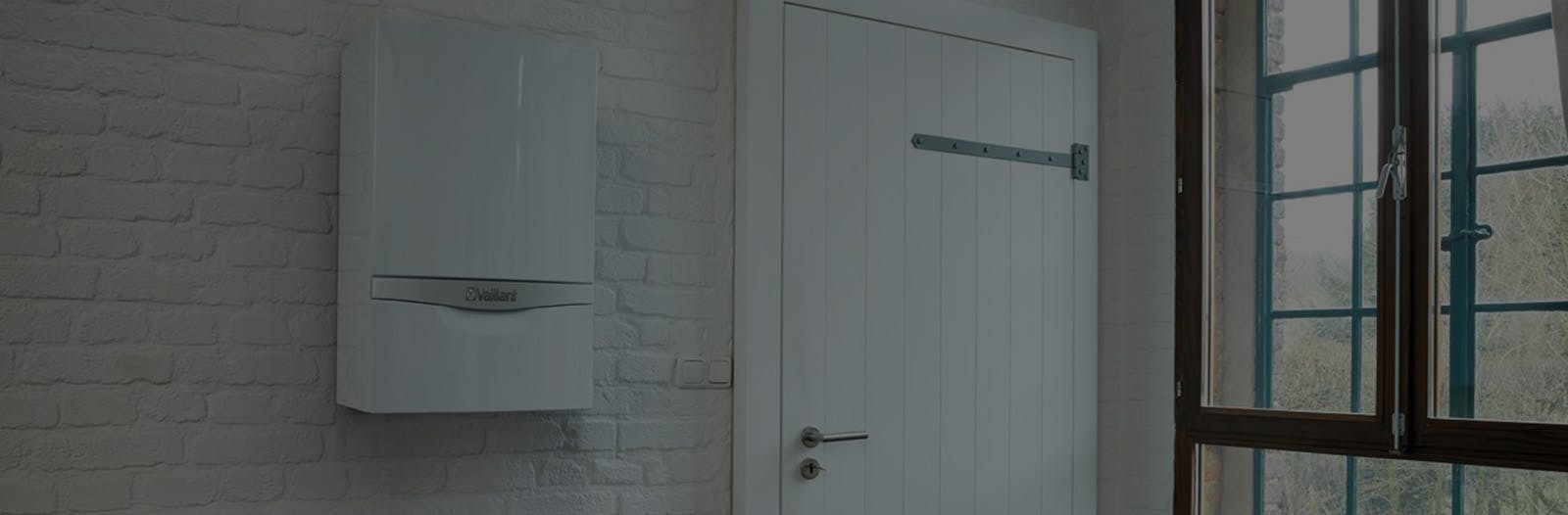
If your radiators are not heating up, it can be stressful, especially on a cold day. The good news is that many issues can be narrowed down with a few simple checks, and knowing what you see will really help your heating engineer if you do need a call-out.
Safety checks before you start
Always keep safety first when dealing with heating and hot water systems. You should never remove the front cover of a gas boiler or touch anything that looks like gas pipework inside the case.
If you smell gas, hear hissing from a gas pipe, or feel unwell with headaches or dizziness, turn the gas off at the meter if it is safe to do so, open windows, leave the property, and call the National Gas Emergency number immediately. Only a Gas Safe registered engineer should work on the gas parts of your system.
First decision: is it one radiator, some, or all?
Before diving into detailed checks, work out how widespread the problem is. Walk around the home and feel each radiator carefully, starting at the bottom and moving up.
All radiators cold: likely a boiler, programmer, thermostat, power, pump or zone valve issue.
Some radiators cold: could be trapped air, balancing, valves, or a zone issue.
Just one radiator cold: usually valves, air or sludge in that radiator.
Keep this in mind as you follow the next steps, as it helps narrow down the cause.
Step 1: boiler status and heating schedule
Start at the boiler, as this is the heart of the system. Check that it has power, the display is on, and there are no obvious error messages or fault codes.
Listen for signs of life when heating is meant to be on, such as the boiler firing up or the pump running. If everything is silent and the display is off, check the fused spur switch near the boiler and that no relevant circuit breakers have tripped.
Next, look at your heating controls and schedule. Make sure the central heating mode is actually set to "on" or "timed", and that you are within a programmed "on" period. If you have a separate hot water setting, check you have not accidentally left only hot water on.
Step 2: room thermostat and programmer settings
If the boiler looks fine but radiators are still cold, check any room thermostat or wireless controller. If it has batteries, replace them if they are low or dead, as flat batteries can prevent the boiler from getting the signal to heat.
Turn the thermostat up several degrees higher than the current room temperature and wait a few minutes to see if the boiler responds. If you have smart controls, check the app to make sure you are not in an away or eco mode that limits heating.
On traditional programmers, confirm the clock is set correctly. Power cuts can sometimes reset the time, which can make your heating come on at unexpected hours or not at all.
Step 3: radiator valves, TRVs and lockshields
Once you know the boiler and controls are calling for heat, move back to the radiators. Each radiator usually has two valves, often a thermostatic radiator valve (TRV) one side and a lockshield valve the other.
Check that the TRV is turned up to a higher setting and not stuck on the frost symbol or set to zero. Gently turn it fully up and down; if the head feels very loose or will not turn, it may be faulty.
On the opposite side, the lockshield valve is normally under a cap and should not need constant adjustment. If someone has recently worked on the system, it may be too far closed on certain radiators, which will starve them of flow.
Balancing basics if some radiators stay cooler
If radiators near the boiler get hot quickly while those further away stay lukewarm or cold, a basic rebalance may help. In simple terms, balancing means slightly restricting flow to the radiators that heat fastest so that slower ones get a fair share of hot water.
A careful way to start is to slightly close the lockshield valves on the hottest radiators and see if cooler ones start to improve over time. Balancing can be fiddly to get right, so if you are unsure, it is worth having a heating engineer set the system up properly for you.
Step 4: trapped air or sludge in the radiators
If a radiator is hot at the bottom but cold or cool at the top, trapped air is the prime suspect. Bleeding radiators with a bleed key usually sorts this.
On the other hand, if a radiator is cold at the bottom and only warm at the top or in patchy sections, that often points to sludge or debris. Our related blog on radiator cold at the bottom explains these symptoms and long-term fixes in more detail.
Sludge problems, especially across several radiators, are frequently treated with a power flush to clean the system. This is not a DIY task, but knowing whether your radiators are cold at the top or the bottom helps your engineer diagnose quickly.
Step 5: pump, zone valves and system pressure
If all or most radiators are cold even though the boiler appears to be on, attention turns to circulation. Listen near the boiler for the heating pump; you should usually hear or feel it gently humming or vibrating when the heating is running.
In some homes there are motorised zone valves that direct hot water to heating, hot water cylinders, or different floors. If only one part of the house is affected, a sticky zone valve may be to blame, which needs a professional to sort.
For sealed systems with a pressure gauge on the boiler or nearby pipework, check the current reading. Most domestic systems sit around 1 to 1.5 bar when cold, but always follow the manufacturer’s instructions printed on the boiler or in the manual.
If the pressure is very low or at zero, the boiler may lock out and stop heating to protect itself. You can usually top up using the filling loop, but if pressure keeps dropping or you are unsure how to do this safely, it is time to call in a Gas Safe engineer.
When to stop and call a Gas Safe engineer
There is a point where DIY checks should end. Do not remove the boiler case, tamper with gas components, or bypass safety devices. Modern boilers use sensors and control boards that need proper testing gear.
Contact a professional if you have repeated boiler fault codes, very noisy banging or kettling sounds, ongoing pressure loss, or radiators that stay cold despite valves being open and air bled out. Also seek help if your system has not been serviced for a long time, as underlying faults are more likely.
At this stage, you may need targeted boiler repair, annual boiler servicing, or a deep clean such as a power flush to restore proper performance. If you also have dripping pipework or valves, a general plumbing visit can address those at the same time.
Information your engineer will ask for
When you do book an engineer, a few quick observations from your side will save time on the day. Having this information handy helps the engineer bring the right parts and plan the job.
Boiler make and model, usually found on the front panel or in the manual.
Current system pressure reading, if you have a visible gauge.
Any fault codes or warning lights on the boiler display.
Which radiators are affected and whether they are cold at the top, bottom, or all over.
It is also helpful to mention any recent work on the system, such as a new radiator, valve, or thermostat fitted shortly before the problem started.
Next steps if your radiators are still not heating
If these checks restore heat, you have gained confidence in how your system works and may have avoided an unnecessary call-out. If problems keep coming back, that is usually a sign something deeper needs attention rather than more bleeding or tweaking of valves.
For a thorough diagnostic visit that can cover boiler repair, servicing, power flushing and plumbing issues, contact Beales Services Ltd. Call 02034880883 to book a heating diagnostic appointment and get your radiators heating properly again.