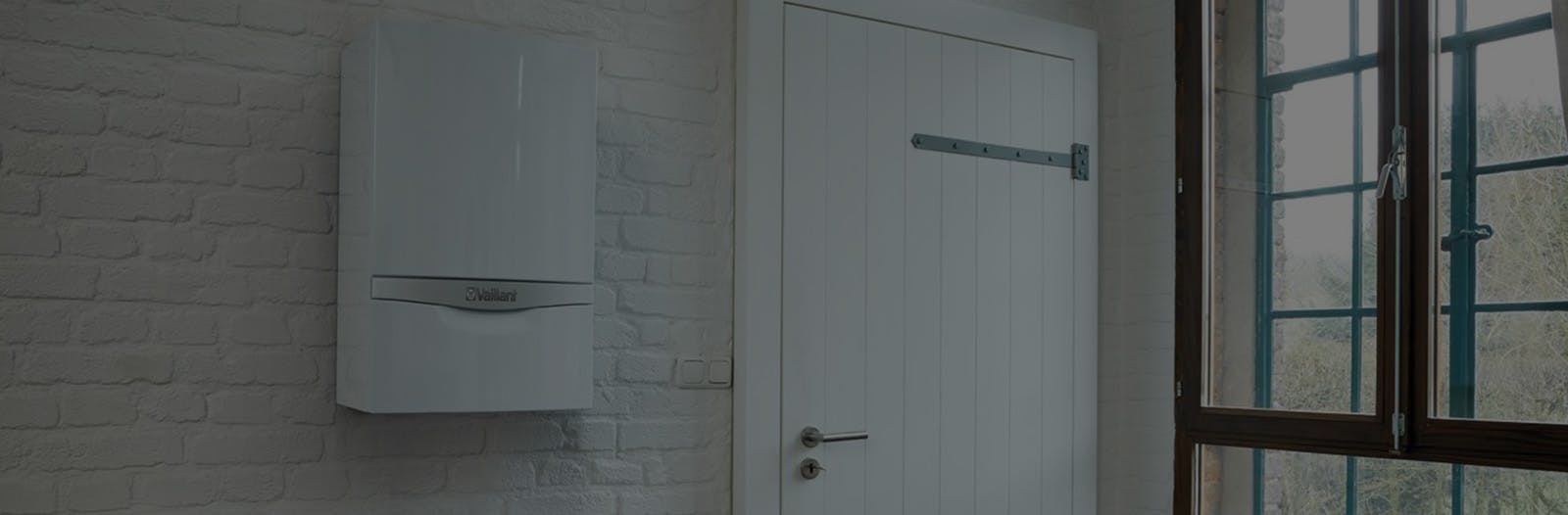
A carbon monoxide alarm belongs in the same room as your boiler, gas fire or wood burner, between one and three metres away from it, and either on the ceiling or high up on a wall. In that spot it picks up the gas early, before it builds up in the rest of the room. In the wrong spot it can stay quiet when it matters, or go off when nothing is wrong.
This post covers which rooms need an alarm, exactly where to fit it, the places to avoid, what the rules say for homeowners and landlords, and what to do if it ever sounds. Fitting a battery alarm is a simple job you can do yourself. Finding out why an appliance is giving off carbon monoxide is always a job for a Gas Safe registered engineer.
Why carbon monoxide alarms matter
Carbon monoxide (CO) is a poisonous gas given off when gas, oil, coal or wood doesn't burn properly. You can't see it, smell it or taste it. A boiler, gas fire or cooker that is faulty, badly fitted or has a blocked flue (the pipe that carries fumes outside) can let it into your home.
The early symptoms are easy to mistake for a cold or flu: headaches, dizziness, feeling sick, tiredness and breathlessness. An alarm is the only way to know CO is there before you feel unwell. This time of year matters most, because heating that has been off all summer starts running for hours a day with the windows shut.
Which rooms need a carbon monoxide alarm
Fit an alarm in every room that has a fuel-burning appliance. That means any room with a gas boiler, gas fire, open fire or wood burner.
A gas cooker can give off CO too, so an alarm in the kitchen is sensible, even though the regulations don't require one for cookers. An extra alarm in a bedroom or on the landing gives you a warning that will wake you at night.
Exactly where to put the alarm
Building Regulations guidance in England (Approved Document J) sets out where an alarm should go when one is fitted with a new appliance. It is good advice for any home:
- in the same room as the appliance
- between 1 and 3 metres from it, measured across the room
- on the ceiling, at least 300mm (about a ruler's length) from any wall, or
- high on a wall, above the tops of doors and windows, but not within 150mm of the ceiling
Always read the instructions that come with your alarm as well, because some models are made to sit in a particular way. If your boiler is inside a cupboard, fit the alarm in the room outside the cupboard, not in the cupboard itself.
Places to avoid
Where you don't put an alarm matters as much as where you do. Keep it away from:
- cupboards, or behind curtains and furniture, where air can't reach it
- doors, windows, air vents and extractor fans, where fresh air dilutes the gas
- directly above a hob, sink or kettle, where steam and grease can upset the sensor
- bathrooms and other damp rooms
- anywhere closer than 1 metre to the appliance, where a small puff on start-up can set off a false alarm
Choosing and looking after your alarm
Buy an alarm marked BS EN 50291, ideally with the BSI Kitemark. A sealed battery that lasts the life of the alarm is the simplest choice, as there is nothing to change and it warns you when it is near the end. A mains-wired alarm needs fitting by an electrician.
Press the test button once a month. The clocks go back on Sunday 25 October, which makes a handy reminder. Check the expiry date printed on the alarm and replace it by then. A chirp every so often usually means the battery or the alarm itself is coming to the end of its life, so check the instructions.
An alarm is a back-up, not a substitute for having your appliances checked. It tells you something is wrong. A yearly boiler service helps stop it going wrong in the first place.
What the rules say for homeowners and landlords
Since 1 October 2022, Building Regulations in England have required a CO alarm in the room whenever a new or replacement fixed fuel-burning appliance is fitted, including a gas boiler but not a gas cooker. So a new boiler installation should come with an alarm in that room.
Landlords in England must fit an alarm in every room used as living space that has a fixed fuel-burning appliance, other than a gas cooker. They must also repair or replace an alarm once a tenant reports it isn't working. Landlords still need a yearly gas safety check and certificate on top of this.
What to do if your alarm goes off
If the alarm sounds, act straight away, even if nobody feels ill:
- Open doors and windows to let fresh air in.
- Turn off the appliance if you can, and turn the gas off at the meter.
- Get everyone, pets included, out into fresh air.
- Call the National Gas Emergency Service on 0800 111 999.
- If anyone feels unwell, get medical help, and call 999 if they are seriously ill.
Don't use the appliance again until a Gas Safe registered engineer has checked it and found the cause.
If your alarm has ever gone off, or your boiler hasn't been looked at for over a year, book a gas safety check with Beales Services. Our Gas Safe registered engineers check that your appliances are burning safely and that fumes are leaving through the flue as they should. If you're not sure your alarm is in the right place, just ask while we're there.