When a radiator is hot at the top but cold at the bottom, it is usually a sign that something is not quite right inside your heating system. The good news is that the pattern of hot and cold areas can tell you a lot about the cause, and there are a few simple, safe checks you can do before calling an engineer.
Quick checks: What’s happening with your radiator?
Before reaching for tools, take a moment to notice the symptoms carefully. This will help you explain the issue clearly and avoid guessing at the fix.
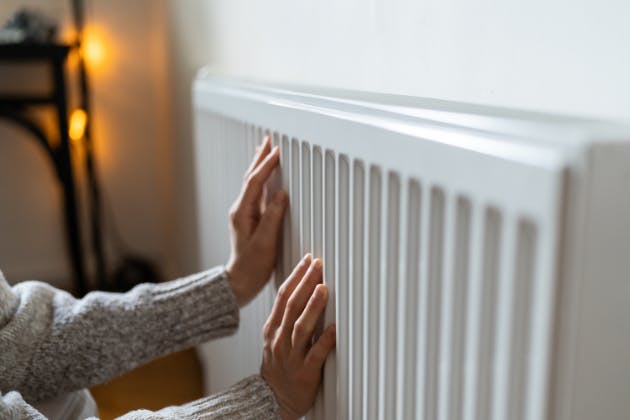
Start by turning the heating on and letting it run for at least 20 to 30 minutes. Then, carefully feel the radiators from top to bottom with the back of your hand, taking care not to touch very hot surfaces for too long.
Hot at the top, cold at the bottom: often sludge or magnetite build-up restricting flow
Cold or cool at the top, hotter at the bottom: often trapped air that needs bleeding
One radiator affected: often a local issue such as a stuck valve or balancing problem
Several radiators affected: may point to a wider sludge, pump or boiler issue
Boiler noisy or “kettling”: can indicate scale or sludge inside the boiler itself
Make a quick note of which radiators are affected and in which rooms. This simple list can be very helpful to both you and a heating engineer.
Main causes of radiators cold at the bottom
When the bottom of the radiator is stubbornly cool while the top is hot, the most common culprit is sludge. Over time, rust from inside your radiators mixes with dirt in the water to form a thick, dark deposit called magnetite.
This sludge is heavier than water, so it tends to settle at the lowest points in the system. That usually means the bottom of radiators and low sections of pipework, where it gradually blocks the flow of hot water.
Sludge and magnetite build-up
A sludgy radiator struggles to circulate hot water properly. The water rushes through the top where there is still a relatively clear path, but the bottom remains cool because the sludge acts almost like a blanket.
If you bleed a radiator and the water that comes out is very dark brown or almost black, that is a strong sign of sludge in the system. This is one of the key points at which DIY should stop and professional cleaning should be considered.
Trapped air in the system
Air in radiators usually makes them cold at the top, not the bottom. However, air issues can appear alongside sludge problems, especially in older systems or after work on the pipes.
If you can hear gurgling noises or have radiators that are hotter at the bottom than the top, then bleeding can help. Just remember that bleeding affects the system pressure, so you will need to check the boiler gauge afterwards.
Balancing issues and stuck TRVs
Sometimes the water is perfectly clean, but it is simply not being shared fairly around the system. Larger or closer radiators may take most of the flow, leaving others lukewarm or cool at the bottom and sides.
This is a balancing issue and involves adjusting valves to ensure each radiator gets its fair share of hot water. Thermostatic radiator valves (TRVs) can also stick, especially after summer, leaving a radiator barely heating even when set to high.
Safe checks you can try as a homeowner
If you are comfortable doing basic checks, there are a few simple and relatively safe steps you can try. Always make sure your heating has cooled if you are unsure, and never force anything that feels stuck.
Bleeding a radiator that is cold at the top
If the radiator is cooler at the top than the bottom, bleeding is usually the first thing to try. You will need a radiator key, a cloth and a small container to catch any drips.
Turn the heating off and wait for the system to cool. Place the cloth under the bleed valve at the top of the radiator, insert the key and slowly turn anticlockwise until you hear air hissing out. As soon as water starts to flow steadily, close the valve gently.
Afterwards, check the boiler pressure gauge. On most systems it should sit around 1 to 1.5 bar when cold. If it has dropped too low, consult your boiler manual on how to top up the pressure safely, or call an engineer.
Checking TRV pins
If a radiator with a TRV is cold while others are working, the valve may be stuck closed. Remove the TRV head carefully by unscrewing the ring or clip, then you will see a small metal pin in the centre.
The pin should spring up and down slightly if pressed very gently. If it is stuck down, you can try easing it free with light, careful pressure. Never use excessive force or tools such as pliers, as this can cause leaks.
Noting patterns across the whole system
As you go around the house, note which radiators are cold at the bottom, cold at the top, or fine. Patterns matter: for example, all downstairs radiators affected or all radiators furthest from the boiler struggling to heat fully.
If more than one or two radiators are cold at the bottom, or if the boiler is also noisy, it is time to think less about quick fixes and more about a system health check from a professional.
Older East London systems and frequent sludge issues
Homes in East London, especially Victorian terraces and 1930s properties, are particularly prone to sludge and balancing problems. Many of these homes have been extended or altered several times, leaving a mix of old and new pipework and radiators.
Older steel or iron radiators and pipework corrode over time, feeding more rust into the system water. When combined with historic debris and hard water, this leads to heavy sludge that settles at the bottom of radiators.
Mixed radiator sizes and long pipe runs down narrow hallways can also make balancing trickier. Without careful valve adjustment, some radiators will always run hotter while others stay stubbornly cool at the bottom or never quite heat a room properly.
When to stop DIY and call a professional
There is a clear point where home checks should give way to expert help. Pushing too far with DIY on a pressurised heating system can create more problems than it solves.
Stop and call a heating engineer if you notice any of the following:
Boiler pressure keeps dropping, even after you top it up
Brown or black water when bleeding radiators
Several radiators cold at the bottom or barely heating
Boiler making banging, rumbling or “kettling” noises
Any signs of leaks around valves, pipes or the boiler
These signs suggest a deeper issue such as heavy sludge, scale or a circulation problem that needs proper diagnosis and professional equipment.
What a heating engineer may recommend next
Once a qualified engineer has assessed your system, they can advise on the most suitable next steps. The right approach will depend on the age of your system, how sludged up it is and how serious the symptoms are.
Balancing and valve checks
Sometimes a careful balance of the system combined with checking and freeing TRVs is enough to restore even heat. This involves adjusting the lockshield valves so that each radiator heats up at a similar rate.
On more complex systems, particularly in older East London homes, this can make a significant difference to comfort and efficiency without major work.
Chemical clean or power flush
If sludge is the main issue, your engineer may suggest a chemical clean or power flush. A chemical clean uses cleaning chemicals circulated through the system to loosen deposits, followed by thorough flushing.
A power flush uses a specialist machine to push water and chemicals through at higher flow rates to dislodge sludge more aggressively. This is often combined with fitting or checking a magnetic filter to help trap magnetite in future.
Ongoing prevention and servicing
After cleaning and balancing, regular boiler servicing and occasional system checks can help prevent the same problems returning. An engineer might also recommend filter maintenance and system inhibitors to slow corrosion.
If your boiler is also showing fault codes or shutting down when the heating is on, a separate boiler repair or further investigation may be required to protect the boiler and keep your home safe.
Next steps if your radiators are cold at the bottom
If you have tried simple checks like bleeding air, gently testing TRV pins and noting which radiators are affected, and your radiators are still cold at the bottom, it is time for a professional assessment. Sludge and circulation issues rarely improve on their own.
The heating engineers at Beales Services can inspect your system, explain the likely causes in plain English and recommend the most suitable options, from balancing through to system cleaning. To arrange an assessment, call 0203 488 0883.
For longer term prevention and peace of mind, ask about system cleaning options on our power flushing page and regular checks on our boiler servicing page. If you are seeing boiler fault codes, lockouts or worrying noises alongside cold radiators, you can also book a visit through our boiler repairs service page so everything is checked safely and professionally.